

Why Your Home Overheats in Summer — And How to Fix It Early
Every summer, it’s the same story—your home suddenly feels too hot, certain rooms become uncomfortable, and your energy bills start climbing faster than expected. The problem is, most people wait until the heatwave hits before they take action. By then, it’s already too late to fix the root issues easily.
The smarter approach? Get ahead of it. Start identifying and fixing the weak points in your home before temperatures rise. Many homeowners who work with Alex Windows realize that small upgrades done early can completely change how a home feels in summer—cooler, brighter, and much more comfortable without overworking the AC.
Let’s break down the most important issues you should handle now—before the heat becomes a daily struggle.
1. Windows That Let Heat Take Over
If your home heats up quickly, your windows are likely a big part of the problem. Older or poorly insulated windows allow heat to pass through easily, turning your living space into a heat trap and making it harder to maintain a stable indoor temperature throughout the day.
What happens:
- Sunlight enters and gets trapped inside
- Cool air escapes faster
- Your AC runs longer than it should
What to fix:
Upgrading to energy-efficient windows or improving sealing around existing ones can make a noticeable difference. Even small improvements like window films, better insulation, or upgraded glass technology can reduce heat gain significantly and improve overall comfort inside your home.
2. Weak Door Seals and Hidden Air Leaks
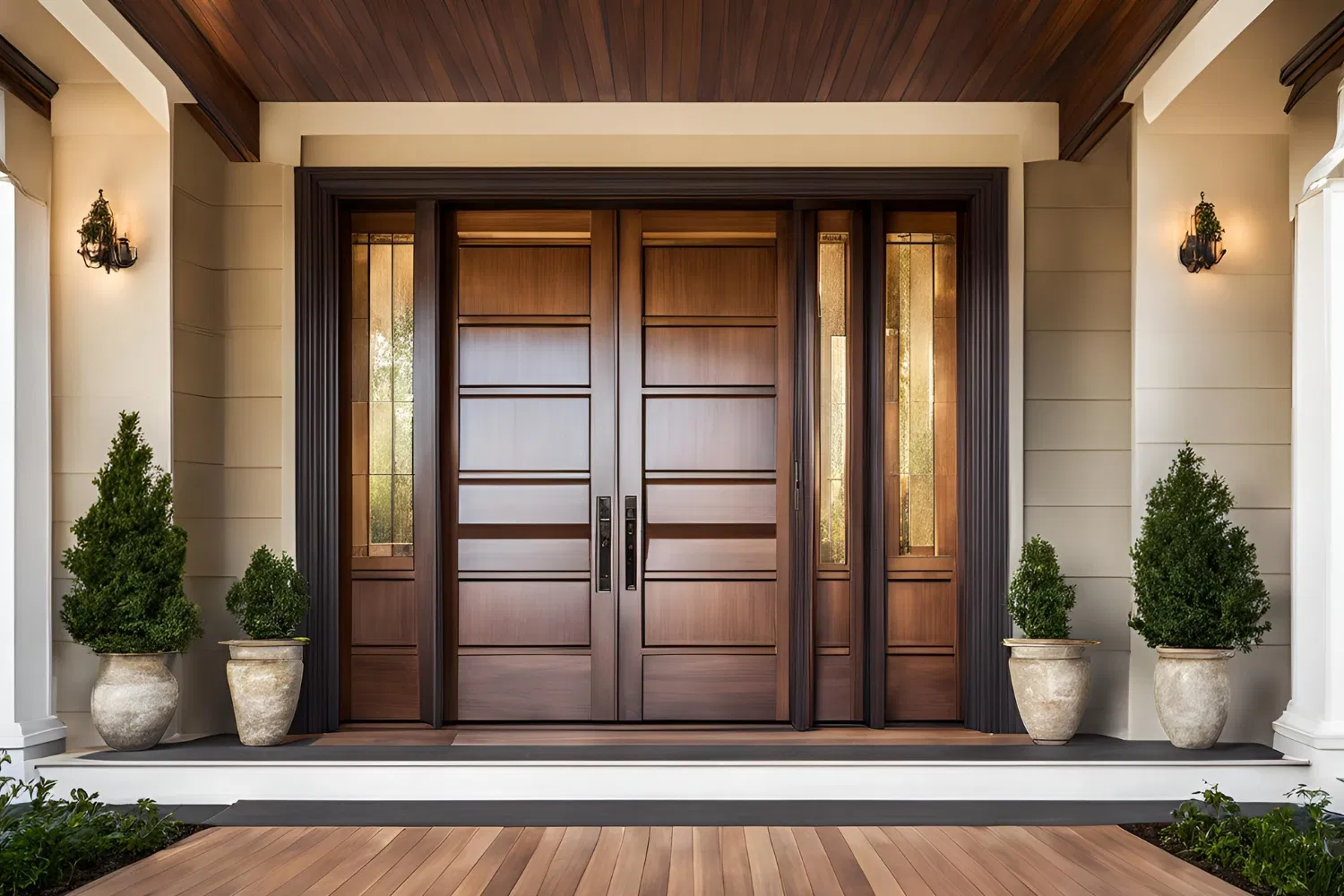
Doors are often overlooked, but they play a major role in keeping your home cool. Over time, seals wear out, leaving small gaps that let hot air sneak inside and affect your indoor temperature more than you might expect.
Signs you might notice:
- Warm air near entry doors
- Dust buildup around edges
- Slight drafts even when closed
Simple solutions:
Replacing weatherstripping or adding door sweeps is quick and effective. It’s a small fix—but it can help maintain a consistent indoor temperature, reduce energy loss, and improve how efficiently your cooling system operates.
3. Rooms That Overheat During the Day
Some rooms always feel hotter—especially those exposed to direct sunlight for hours. This usually means your home isn’t managing solar heat properly, allowing warmth to build up faster than it can be removed.
Common hotspots:
- Home offices
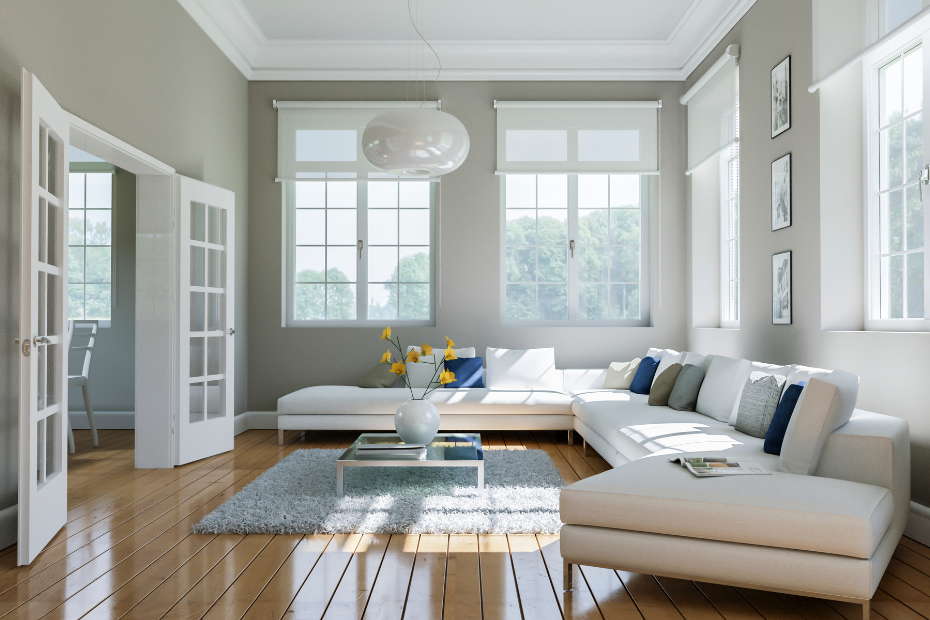
- Living rooms with large windows
- Upper-floor bedrooms
What helps:
Installing heat-control window treatments, upgrading glass, or adding shading solutions can balance temperatures and make those rooms usable again throughout the day. These changes also help reduce glare and create a more comfortable living environment.
4. An AC System That Can’t Keep Up
Your air conditioning system should work with your home—not against it. But if your home has heat leaks or poor insulation, even a strong AC system will struggle to keep temperatures consistent and comfortable.
Warning signs:
- Rooms cooling unevenly
- AC running constantly
- Higher electricity bills
What to do now:
Before summer starts, clean filters, check performance, and ensure your system is running efficiently. But remember—fixing the source of heat is just as important as cooling it, and improving your home’s efficiency can reduce the strain on your AC system.
5. Poor Airflow That Traps Heat Inside
Even with a working AC, poor airflow can make your home feel stuffy and warm. Without proper ventilation, heat builds up and stays trapped, especially in areas with limited air movement.
Why it matters:
- Air circulation helps remove trapped heat
- It keeps temperatures balanced across rooms
- It improves overall comfort
Easy improvements:
Use fans strategically, open windows during cooler times, and make sure nothing is blocking airflow paths. Better circulation can instantly improve how your space feels and make your cooling system more effective.
6. Glass That Works Against You
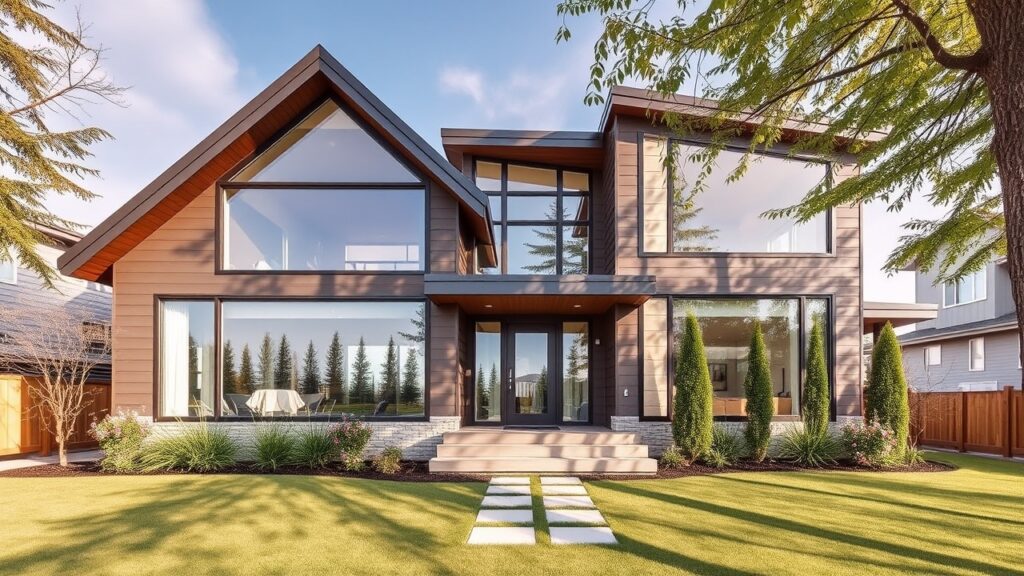
Glass is beautiful—but not all glass is designed for summer performance. Standard glass allows heat to pass through easily, especially in homes with large windows or wide glass surfaces.
The issue:
- Sunlight heats up indoor surfaces
- Heat gets trapped inside
- Rooms feel warmer even with AC
The upgrade:
Switching to laminated, tinted, or energy-efficient glass helps reduce heat transfer while still letting in natural light. It’s one of the most effective long-term solutions for improving both comfort and energy efficiency.
7. Small Gaps That Cause Big Problems
Tiny cracks around windows, doors, and walls might not seem important—but they add up. These gaps allow hot air in and cool air out, reducing your home’s efficiency and making it harder to maintain a comfortable temperature.
Where to check:
- Window frames
- Door edges
- Corners and joints
Quick fix:
Seal them with caulking or insulation materials. It’s a simple step that can make your home noticeably cooler while also helping reduce energy waste over time.
8. Interior Choices That Absorb Heat
Your home’s interior design can also affect how warm it feels. Dark colors and heavy materials absorb heat, making spaces feel hotter and less comfortable during the summer months.
What contributes:
- Dark curtains and furniture
- Thick fabrics
- Limited light reflection
Better options:
Switch to lighter colors, use reflective surfaces like mirrors, and choose breathable fabrics. These changes help your home stay brighter, cooler, and more visually open without major renovations.
Fix It Now, Enjoy Summer Later A comfortable summer doesn’t happen by accident—it’s the result of smart preparation. When you fix these common issues early, you’re not just improving comfort—you’re also saving energy, reducing costs, and protecting your home in the long run. Many homeowners turn to Alex Windows to handle these upgrades before the heat arrives, making sure their homes are ready for whatever summer brings. Because once the temperature rises, the last thing you want is to deal with problems you could have solved earlier. Don’t wait for the heatwave. Take action now—and enjoy a cooler, stress-free summer exactly the way your home should feel.