


Make Your Home Summer-Ready Without Money Stress
Summer brings longer days, brighter sunlight, and a more relaxed lifestyle—but it also brings heat, higher electricity bills, and sometimes uncomfortable indoor living. The key to enjoying the season is simple: prepare your home in a smart, affordable way that improves comfort without creating financial pressure. Even professionals like Alex windows often highlight that small, strategic improvements can dramatically change how a home feels during hot weather without requiring expensive renovations.
Below are practical, easy-to-follow steps that help you get your home summer-ready while staying budget-friendly and stress-free.
Covered Points:
- Start with a Full Home Comfort Check
- Improve Window Efficiency Without Replacement Costs
- Seal Doors to Keep Cool Air Inside
- Use Smart Cooling Habits Instead of High Energy Use
- Reduce Heat Sources Inside Your Home
- Affordable Maintenance That Prevents Bigger Expenses
- Declutter and Improve Airflow Naturally
- Bonus Tip: Improve Outdoor Areas for Better Indoor Cooling
1. Start with a Full Home Comfort Check
Before spending any money, the smartest move is to understand your home’s current condition. A simple walkthrough can reveal more than you expect.
Take time to observe:
- Where heat enters your home during the day
- Which rooms feel warmer than others
- Any air leaks around doors or windows
- Dust buildup in vents or cooling systems
- Signs of weak insulation or worn seals
This step is extremely important because it prevents unnecessary spending. Instead of guessing what needs fixing, you’ll clearly see what actually affects your comfort.
Think of it as building a roadmap—once you know the problem areas, every decision becomes easier and more cost-effective.
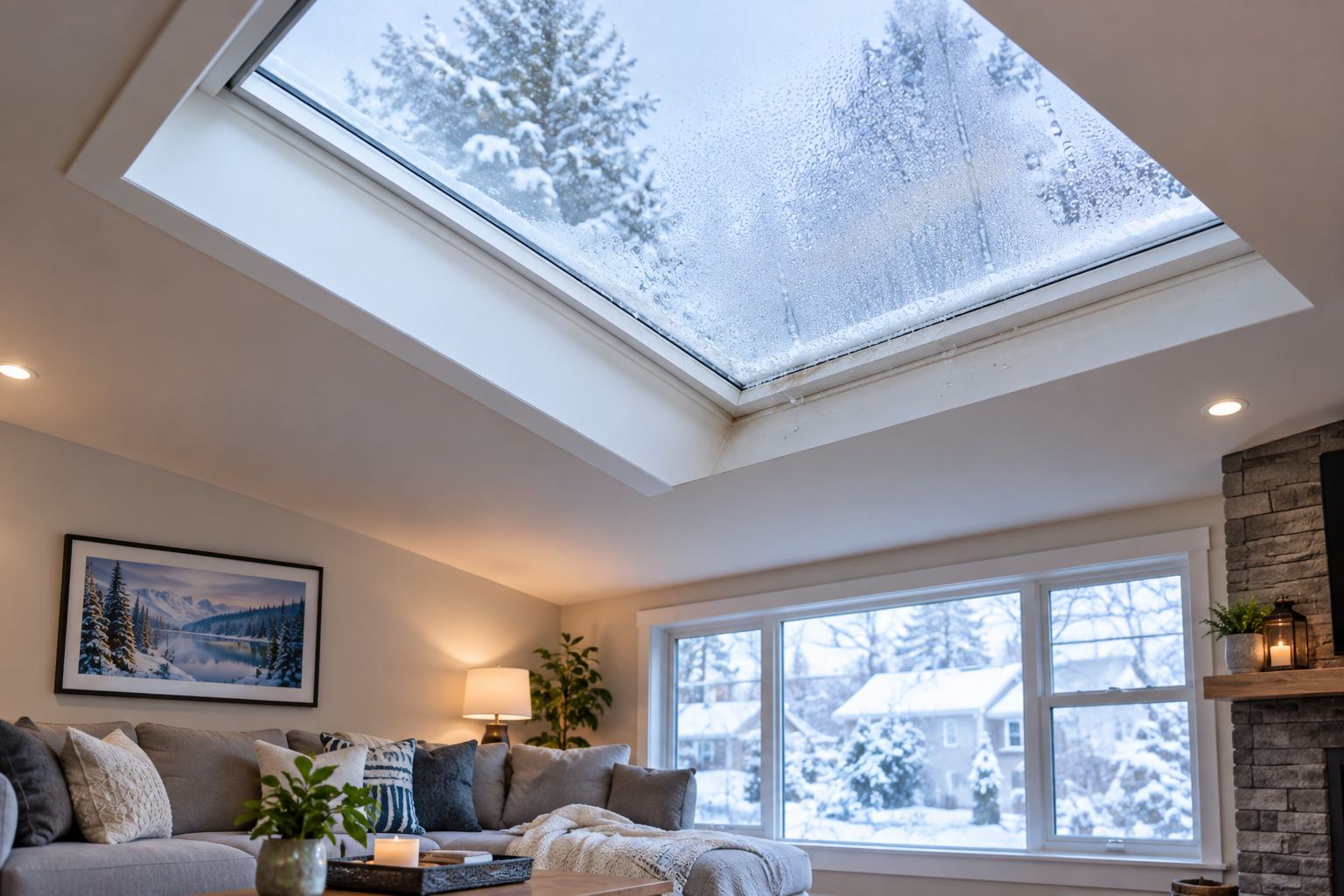
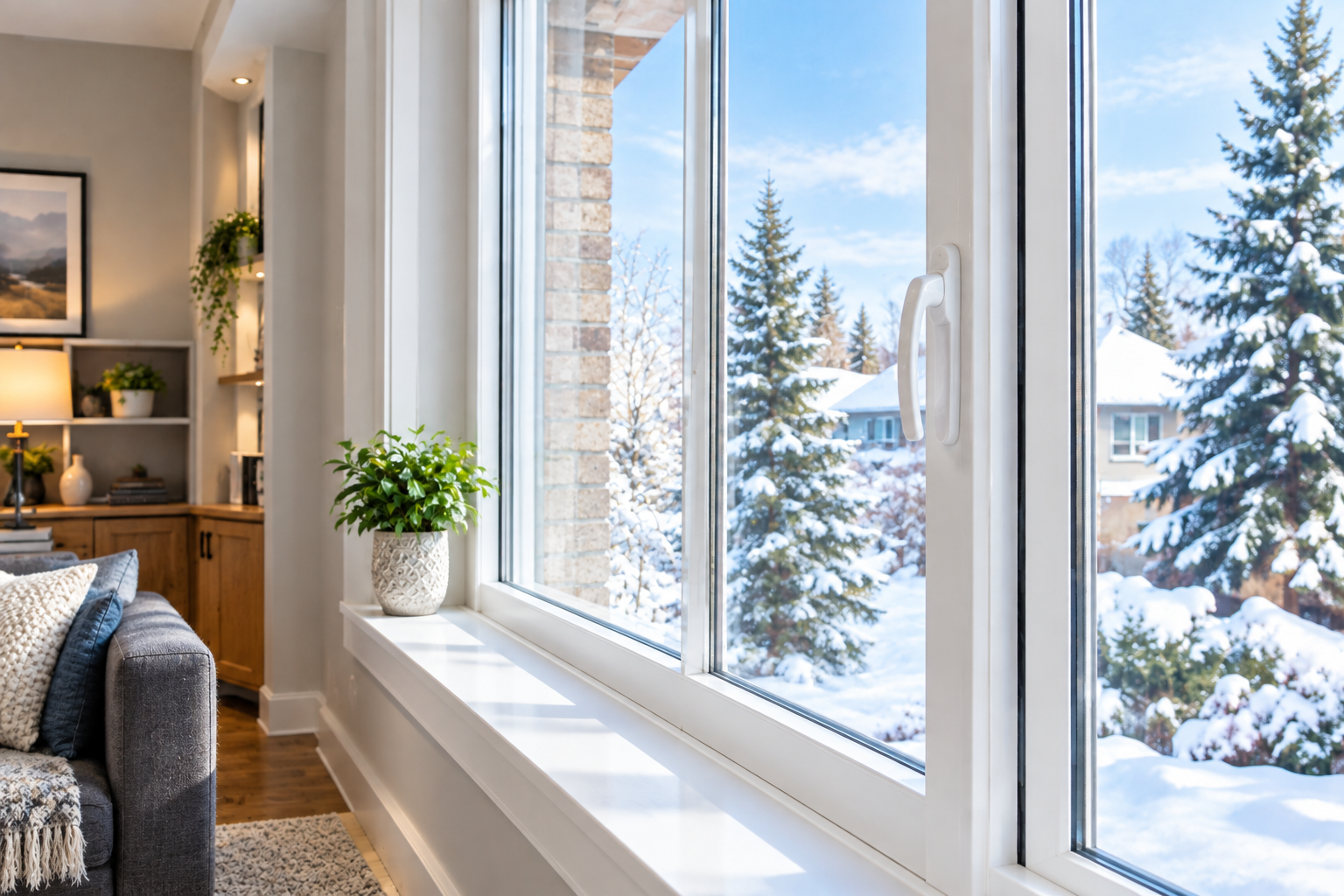
2. Improve Window Efficiency Without Replacement Costs
Windows play a huge role in summer comfort. If they are not properly sealed or protected, they can turn your home into a heat trap.
Instead of replacing windows, try these affordable upgrades:
- Install thermal or blackout curtains to block direct sunlight
- Apply UV-protective window film to reduce heat entry
- Seal small gaps using weather stripping or silicone sealant
- Keep blinds closed during peak afternoon hours
- Clean windows regularly to maximize natural light without heat buildup
Even small improvements can reduce indoor temperature noticeably. Many homeowners are surprised how much difference simple window treatments make when done properly. This is why companies like Alex windows often emphasize energy efficiency before replacement.
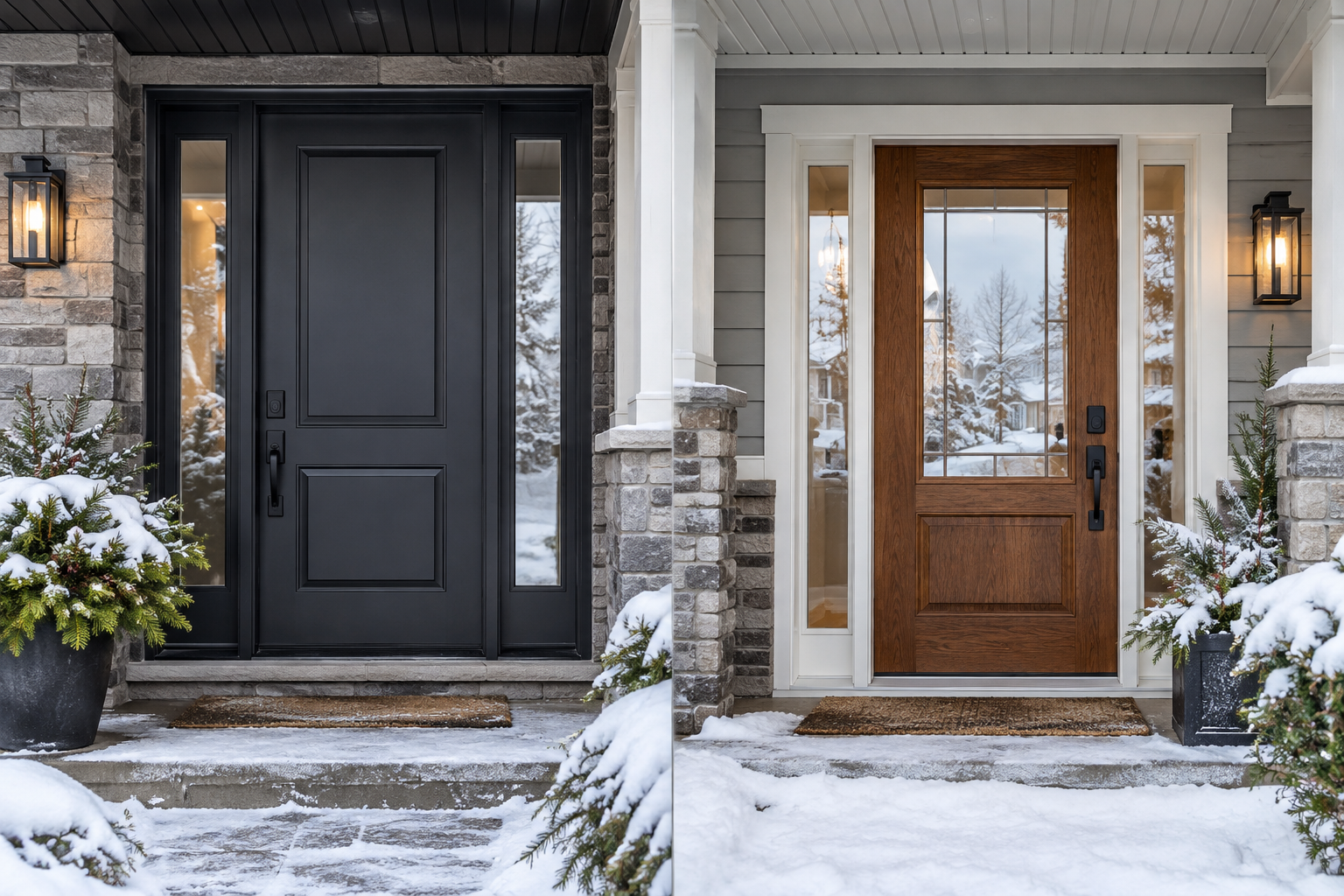
3. Seal Doors to Keep Cool Air Inside
Doors are often overlooked, yet they can be one of the biggest sources of energy loss in a home. If cool air escapes and hot air enters, your cooling system works harder—and your bills increase.
Here’s how to fix it affordably:
- Add door sweeps to block air from passing underneath
- Replace worn or cracked rubber seals around frames
- Use foam tape for side gaps where air leaks occur
- Make sure doors close tightly without gaps or resistance
- Check older doors for warping or alignment issues
These small fixes help maintain indoor temperature and improve overall comfort without requiring expensive upgrades. It’s a low-cost improvement with long-term benefits.
4. Use Smart Cooling Habits Instead of High Energy Use
You don’t need to rely heavily on air conditioning to stay cool. In fact, smart usage can make a huge difference in both comfort and electricity bills.
Try these practical habits:
- Run AC only during the hottest hours of the day
- Set temperature to a moderate level instead of extremely low settings
- Use ceiling fans to circulate cool air efficiently
- Open windows early morning or late evening for natural cooling
- Close doors to unused rooms to focus cooling where needed
These adjustments help you stay comfortable while reducing unnecessary energy consumption. The goal is not to eliminate cooling, but to use it wisely.
5. Reduce Heat Sources Inside Your Home
Many people don’t realize that everyday activities add heat inside the home. Small changes in habits can significantly improve indoor comfort.
Here’s what you can do:
- Avoid using ovens or stovetops during peak afternoon heat
- Switch to LED lighting, which produces less heat
- Unplug electronic devices when not in use
- Limit use of heat-generating appliances during the day
- Use natural lighting instead of artificial lights when possible
Each small adjustment reduces internal heat buildup, making your home easier to cool and more energy-efficient overall.
6. Affordable Maintenance That Prevents Bigger Expenses
Regular maintenance is one of the most cost-effective ways to prepare your home for summer. It prevents small issues from turning into expensive repairs.
Focus on:
- Cleaning air conditioner filters to improve airflow and efficiency
- Checking for plumbing leaks that may worsen with heat
- Inspecting ceilings and walls for cracks or moisture damage
- Clearing drainage systems to avoid blockages during storms
- Tightening loose fixtures and repairing minor damage
These tasks don’t require a large budget but provide long-term savings and better home performance throughout the season.
7. Declutter and Improve Airflow Naturally
A cluttered home traps heat and blocks airflow, making rooms feel warmer than they actually are. Decluttering is a simple but powerful way to improve comfort.
Start with:
- Removing unused furniture or storage items
- Organizing rooms to allow better air circulation
- Keeping floors and surfaces clear for airflow movement
- Cleaning dust that can trap heat and reduce freshness
- Allowing natural light to enter without overheating spaces
A more open space not only feels cooler but also creates a calmer and more enjoyable environment for summer living.
Bonus Tip: Improve Outdoor Areas for Better Indoor Cooling
Your outdoor environment affects your indoor temperature more than you think. Simple outdoor care can help reduce heat entering your home.
Try:
- Trimming trees or plants blocking airflow around windows
- Adding shade to sunny areas using covers or light fabric
- Cleaning exterior walls to reduce heat absorption
- Keeping outdoor areas uncluttered for better ventilation
A cooler outdoor space naturally supports a cooler indoor environment.
Preparing your home for summer doesn’t require expensive upgrades or financial stress. It’s about making smart, practical decisions that improve comfort step by step. From sealing windows and doors to improving airflow and reducing heat sources, every small action adds up to a cooler and more efficient home. Even experts like Alex windows often highlight that the best home improvements are not always the most expensive ones—they are the smartest ones. With the right approach, you can enjoy a comfortable, refreshing summer while keeping your budget safe, your home efficient, and your stress levels low.