

That Aging Door You’ve Been Ignoring—Here’s What Happens
Most homeowners don’t spend much time thinking about their doors. As long as the door opens, closes, and locks, it seems like everything is fine. But the truth is that doors age just like any other part of your home. Exposure to weather, daily use, temperature changes, and moisture can gradually wear them down.
What starts as a small inconvenience—a draft, a squeak, or a door that sticks occasionally—can eventually lead to bigger issues affecting your comfort, security, and energy efficiency.
At Alexwindows & Doors, homeowners often discover that many of the door problems they’re experiencing today actually started years earlier with small warning signs that seemed harmless at the time. Understanding these signs can help you avoid expensive repairs and keep your home performing at its best.
If you’ve been putting off dealing with that aging door, here’s what usually happens.
Covered Points:
- Small Drafts Become a Big Energy Problem
- Your Home Security May Be Weaker Than You Think
- Outside Noise Starts Finding Its Way Inside
- Warping and Alignment Problems Get Worse Over Time
- Moisture Damage Can Develop Behind the Scenes
- Daily Frustrations Become Part of Your Routine
- Delaying Repairs Usually Costs More
- Your Home’s Appearance and Value Can Suffer
1. Small Drafts Become a Big Energy Problem
One of the first signs of an aging door is air leakage. You may notice a slight draft near the bottom of the door during winter or feel warm air entering during the summer months.
Even tiny gaps can have a significant impact on your home’s energy efficiency. Heated or cooled air escapes through these openings, forcing your HVAC system to work harder to maintain a comfortable indoor temperature. While the change may seem small at first, the energy loss can add up throughout the year.
Over time, this can lead to:
• Higher heating and cooling costs
• Increased energy consumption
• Uneven temperatures throughout the home
• Reduced indoor comfort
This is one of the most common concerns homeowners bring to Alexwindows & Doors when they’re trying to improve energy efficiency and reduce utility bills. In many cases, an aging door is contributing more to energy loss than homeowners realize.
2. Your Home Security May Be Weaker Than You Think
A door is one of your home’s most important security features. As it ages, the entire system can begin to weaken.
The frame may shift slightly, hinges can loosen, and locks may no longer align properly. These issues may not seem serious at first, but they can reduce the door’s ability to withstand force and provide reliable protection.
Common security-related issues include:
• Loose hinges
• Worn locking mechanisms
• Misaligned strike plates
• Cracked or weakened door materials
Even if the door still locks, it may not provide the same level of protection it once did. Addressing these issues early can help maintain both security and peace of mind for your family.
3. Outside Noise Starts Finding Its Way Inside
A quality door helps create a quieter, more comfortable living environment. As doors age and seals wear out, outside noise can become much more noticeable.
You may begin hearing:
• Traffic sounds
• Neighborhood activity
• Wind noise
• Conversations from outside
Many homeowners don’t immediately connect increased noise levels to an aging door, but deteriorating seals and gaps can significantly reduce sound insulation. What was once a quiet room may gradually become less relaxing and private.
A quieter home often starts with a properly sealed and well-maintained entry door.
4. Warping and Alignment Problems Get Worse Over Time
Doors are constantly exposed to changing temperatures and humidity levels. Over the years, these conditions can cause materials to expand, contract, and eventually warp.
You may notice:
• The door rubbing against the frame
• Difficulty opening or closing
• Uneven gaps around the edges
• Locking issues
At Alexwindows & Doors, homeowners are often surprised to learn that a door that occasionally sticks may actually be showing signs of structural movement or long-term wear. What seems like a minor inconvenience can eventually affect the door’s performance and lifespan.
Ignoring these issues usually allows them to become more severe and expensive to fix.
5. Moisture Damage Can Develop Behind the Scenes
Moisture is one of the biggest threats to an aging door.
When seals begin to fail, water can slowly penetrate the door or frame. Unfortunately, this damage often occurs long before visible signs appear, making it difficult to detect without a closer inspection.
Potential moisture-related problems include:
• Wood rot
• Mold growth
• Peeling paint
• Swelling and expansion
• Rusted hardware
Because moisture damage often develops gradually, many homeowners don’t realize there’s a problem until significant repairs are needed. In some cases, surrounding trim and framing materials may also be affected.
Regular inspections can help identify these issues before they become major concerns.
6. Daily Frustrations Become Part of Your Routine
An aging door can slowly affect your everyday experience at home.
At first, it may only require a little extra force to close. Later, you might find yourself constantly adjusting the lock, lifting the door slightly, or dealing with seasonal sticking. These small inconveniences can become a regular part of your daily routine.
Common frustrations include:
• Handles that feel loose
• Difficult locking mechanisms
• Doors that stick during weather changes
• Increased wear on hardware
While these issues may seem minor individually, they can become increasingly annoying over time and often indicate deeper problems that shouldn’t be ignored.
7. Delaying Repairs Usually Costs More
One of the biggest mistakes homeowners make is waiting too long to address door problems.
A worn weather seal might cost very little to replace today. However, if left untreated, it could eventually contribute to frame damage, moisture issues, or the need for a complete door replacement.
At Alexwindows & Doors, it’s common to see situations where early maintenance could have prevented much larger repair expenses later. Small repairs are often far more affordable than dealing with extensive damage down the road.
Small problems tend to grow when ignored, making prompt action the more cost-effective solution.
8. Your Home’s Appearance and Value Can Suffer
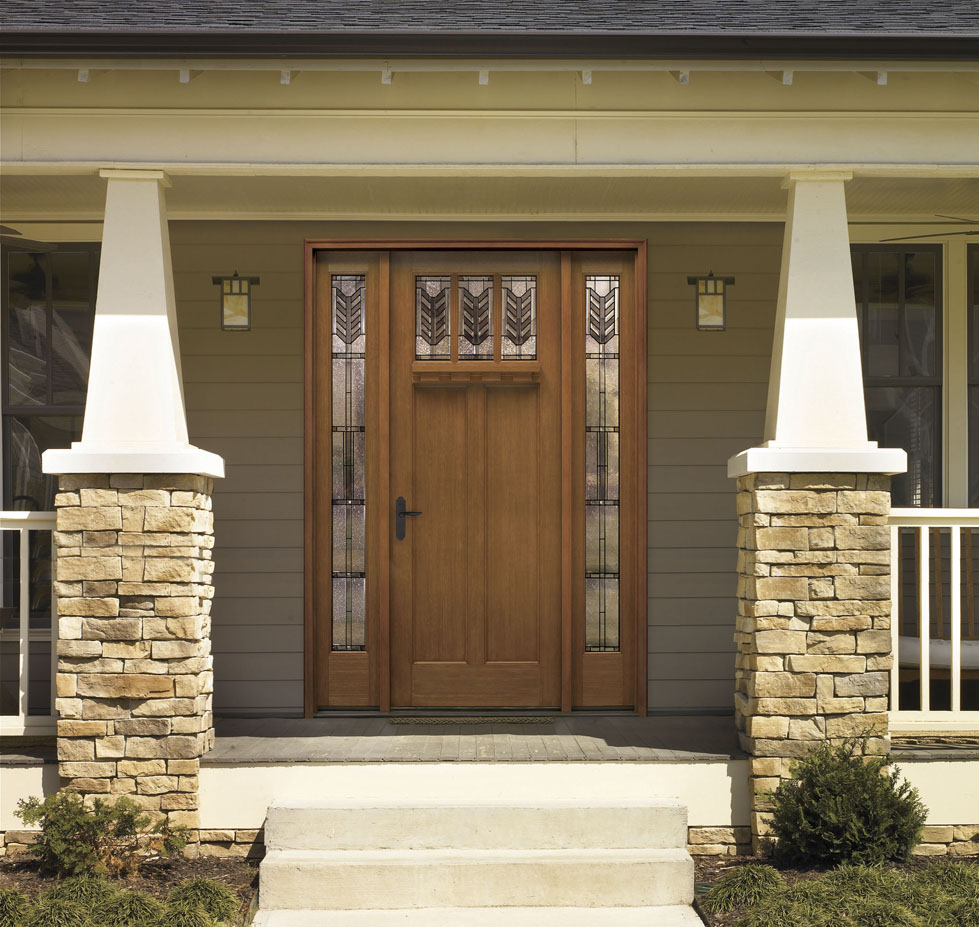
Your front door is one of the first things visitors and potential buyers notice about your home.
An aging door can negatively affect curb appeal through:
• Faded finishes
• Visible wear and tear
• Cracks or dents
• Outdated designs
• Poor overall appearance
Even if the rest of the property is well-maintained, an old or damaged entry door can create the impression that the home hasn’t been properly cared for. First impressions matter, especially when it comes to property value.
A modern, attractive door can dramatically improve your home’s appearance while adding value, functionality, and a more welcoming look to the entire property.
An aging door rarely becomes a major problem overnight. Instead, it gradually affects your home's energy efficiency, security, comfort, appearance, and overall performance. The small draft you're feeling today could become higher energy bills tomorrow. The sticking door you keep ignoring could eventually lead to structural repairs or a complete replacement. That's why it's important to pay attention to the warning signs early. Whether it's improving insulation, restoring security, or upgrading curb appeal, addressing door issues sooner rather than later can save both time and money. At Alexwindows & Doors, homeowners often discover that replacing or upgrading an aging door isn't just about appearance—it's about creating a safer, more comfortable, and more efficient home for years to come. If your door has been showing signs of age, now may be the perfect time to give it the attention it deserves.